Queens Village Movers Packing and Preparation Process
The Queens Village Movers guide introduces practical methods for handling household goods, furniture, office equipment, and personal belongings when moving from one place to another. Many people face challenges when sorting items, choosing packing materials, and organizing boxes before transport. This article explains clear steps to prepare belongings, protect fragile pieces, and manage loading and unloading with care.
Sorting and Organizing Belongings
A clear sorting process helps reduce confusion when preparing items for transport. Start by dividing possessions by room, such as kitchen, bedroom, and office space. This method helps keep similar items together and makes unpacking easier after they arrive at the destination.
Items that are no longer needed should be separated early. This reduces the total volume and makes packing more efficient. Clothing, books, kitchenware, and electronics should each have their own category. Keeping similar items grouped also helps when selecting box sizes and protective materials.
Important documents, valuables, and personal essentials should be placed in a dedicated container that stays with you at all times. This ensures quick access and prevents misplacement during handling.
Packing Materials and Protection Methods
Choosing strong packing materials is essential for keeping items in good condition during transport. Sturdy cardboard boxes, bubble wrap, packing paper, and strong tape are commonly used to secure belongings. Fragile items such as glassware and ceramics require extra cushioning to reduce the chance of damage.
Wrap each delicate item individually and fill empty spaces inside boxes to prevent movement. Heavier items should be placed at the bottom of boxes, while lighter items go on top. Overfilling boxes should be avoided to prevent tearing or collapse during lifting.
For safety guidance and transport standards related to household goods movement, you can refer to the Federal Motor Carrier Safety Administration. This source provides information about transportation rules and industry practices that support safer handling of items during long and short distance transfers.
Proper sealing of boxes is also important. Use strong tape along all openings and reinforce the bottom of heavier boxes. Mark fragile contents clearly so handlers know which boxes require extra care during loading and unloading.

Handling Furniture and Heavy Items
Large furniture pieces require careful attention before they are moved. Items such as beds, tables, chairs, and cabinets should be taken apart when possible. Removing legs, shelves, and detachable parts makes transport easier and reduces the risk of damage.
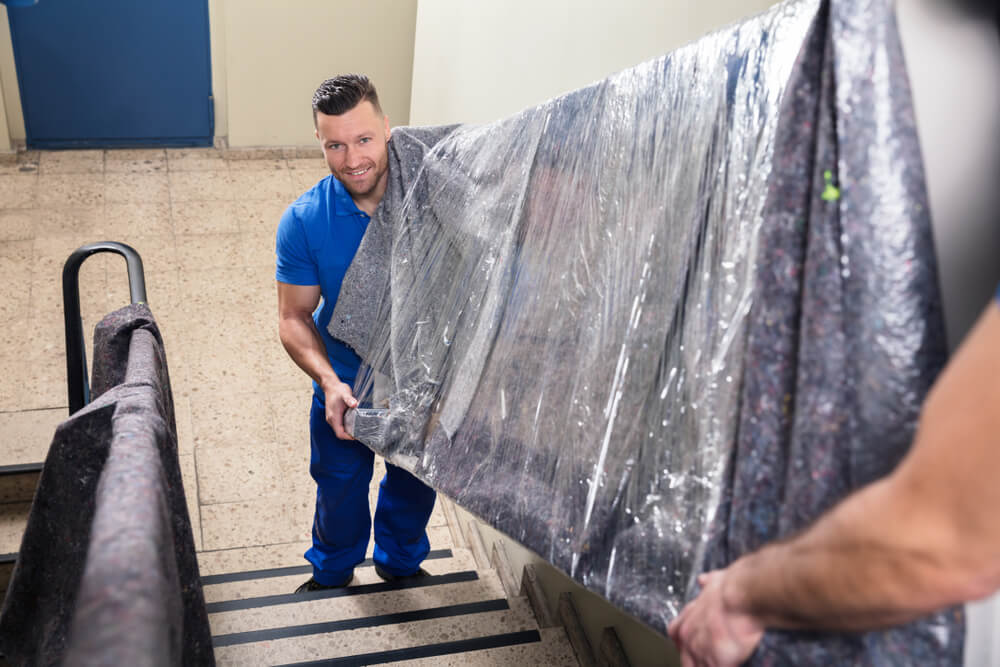
Protect surfaces with blankets or padded covers to avoid scratches. Corners and edges should be given extra protection since they are more likely to get damaged during lifting or transport. Appliances should be disconnected in advance and cleaned before being prepared for transport.
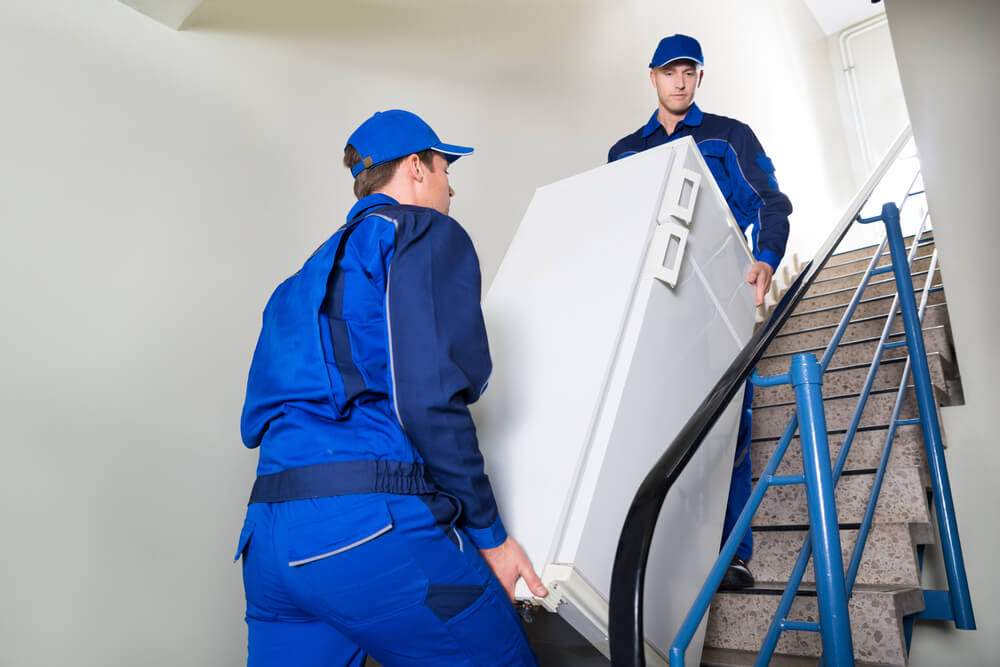
When lifting heavy items, proper coordination is important. Always ensure that weight is distributed evenly among the people handling the object. Sliding furniture rather than dragging it helps protect floors and reduces strain on the item itself.
Electronics Packing and Care
Additional care for electronics is important when preparing items for transport. Devices such as televisions, computers, and kitchen appliances should be packed using original boxes when available. If original packaging is not available, thick padding materials should be used on all sides to reduce movement. Cables and small accessories should be placed in labeled bags and kept together with their main device. It also helps to take photos of cable setups before disconnecting anything so reconnection becomes easier later.
Labeling and Loading Process
Clear labeling plays a key role in keeping boxes organized. Each box should be marked with its contents and the room it belongs to. This makes it easier to place items in the correct areas upon arrival and reduces confusion during unloading.
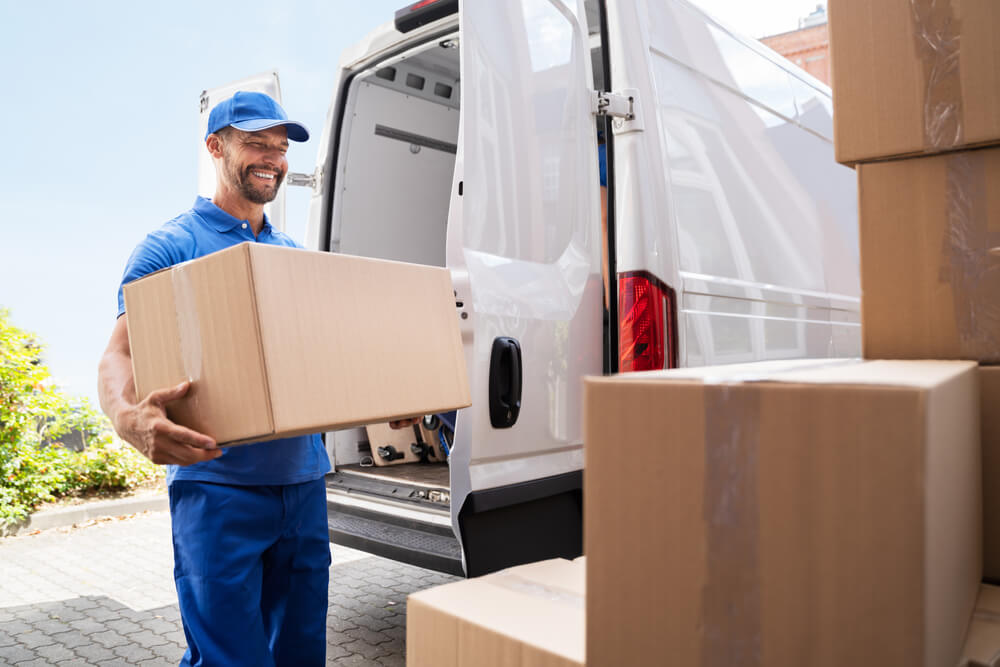
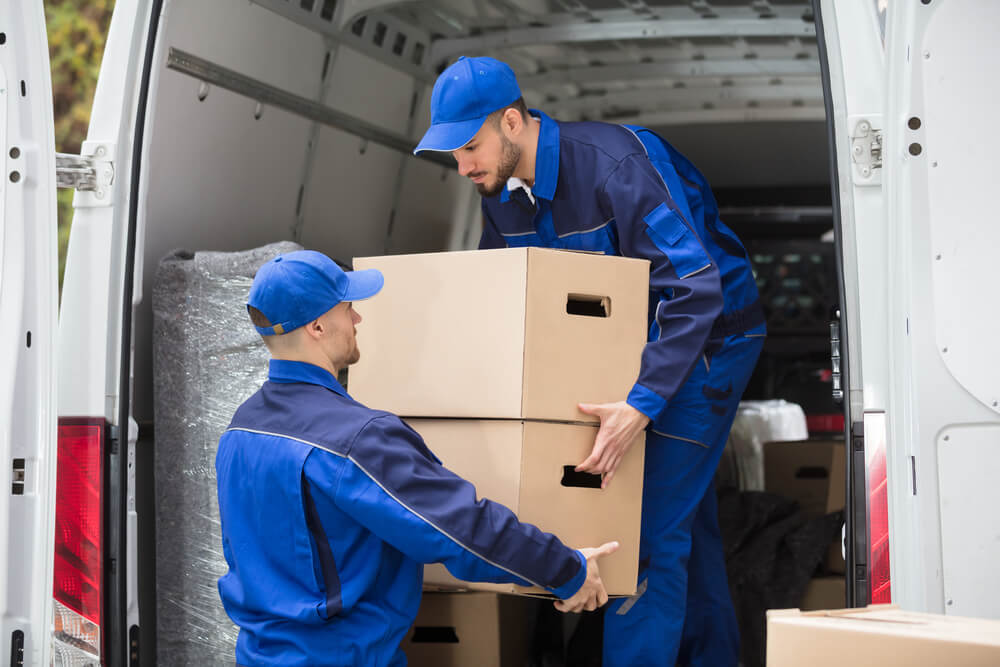
Boxes should be stacked carefully to prevent shifting during transport. Heavier boxes should go at the bottom while lighter ones are placed on top. Leaving space for air circulation between stacks helps maintain balance and stability.
Loading should follow a structured order, starting with larger items and ending with smaller boxes. This approach helps maximize available space and reduces movement inside the transport vehicle.
Conclusion
Preparing household and office items for transport requires attention to detail and clear organization. Sorting belongings, using proper packing materials, handling furniture with care, and labeling boxes correctly all contribute to a well-managed process. By following these steps, individuals can better protect their possessions and ensure everything arrives in good condition at its destination.